Unlocking Enscape as a Video Game Developer
Bridging Architecture and Imagination
When Architecture meets Video Game Development Imagination, incredible things happen. In this behind-the-scenes look, Adam and Gaines explore how an experimental blend of Revit, Blender, and Enscape became a Halloween Scene and became more than a visualization project. It became a workflow experiment that reshaped how digital environments are designed, rendered, and shared.
What started as a fun seasonal idea quickly evolved into a proof-of-concept that merged architectural precision with video game storytelling. By exporting FBX files directly from Revit to Blender and maintaining positional integrity through Revit’s Base Point, the team developed a seamless pipeline for iterative modeling. The result? A creative ecosystem where architecture, asset design, and visual storytelling could exist in perfect harmony.
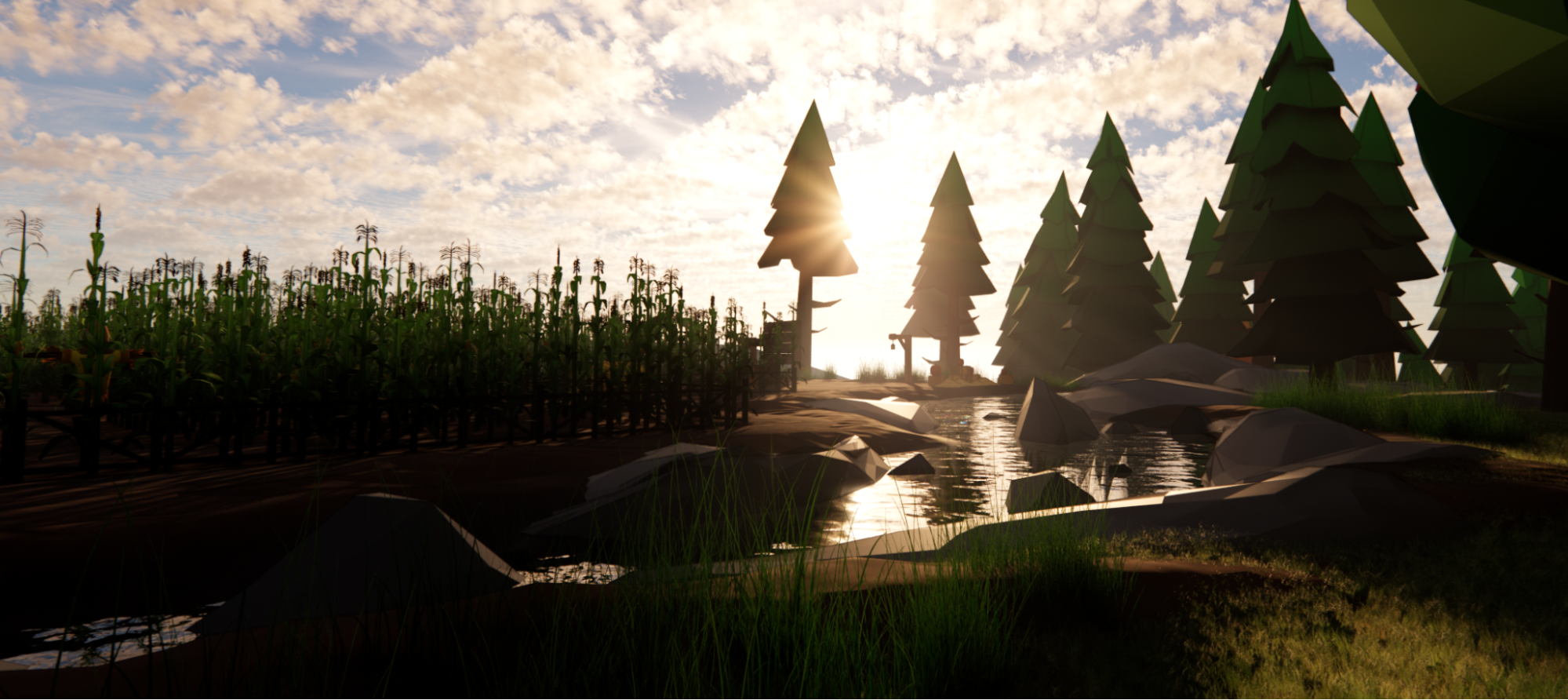
Finding a Common Language Between Architecture and Game Development
The Halloween Scene was built not just as a technical showcase, but as a dialogue between two worlds — AEC and VFX/Game Design. The project demonstrated that storytelling in visualization doesn’t always require photorealism. Instead, abstraction through low-poly design can enhance narrative focus and reduce visual noise.
Using Revit as the foundation, Blender for sculpting, and Enscape as the visualization and asset bridge, Adam and Gaines created an iterative, multi-user workflow that allowed for constant, rigorous experimentation. This cross-disciplinary approach highlighted how lessons from game development, like modular design, visual hierarchy, and environmental storytelling can significantly enrich AEC visualization workflows.
Key Takeaways for Designers and Visualization Artists
Abstraction drives creativity — Simplify where it matters most to tell a stronger visual story.
Collaboration unlocks innovation — Combine expertise from architecture, gaming, and visualization for better results.
Tools are only as strong as the team using them — Use what you have! Focus on communication and creative iteration.
Play is productive — Experimentation and curiosity often lead to process breakthroughs.
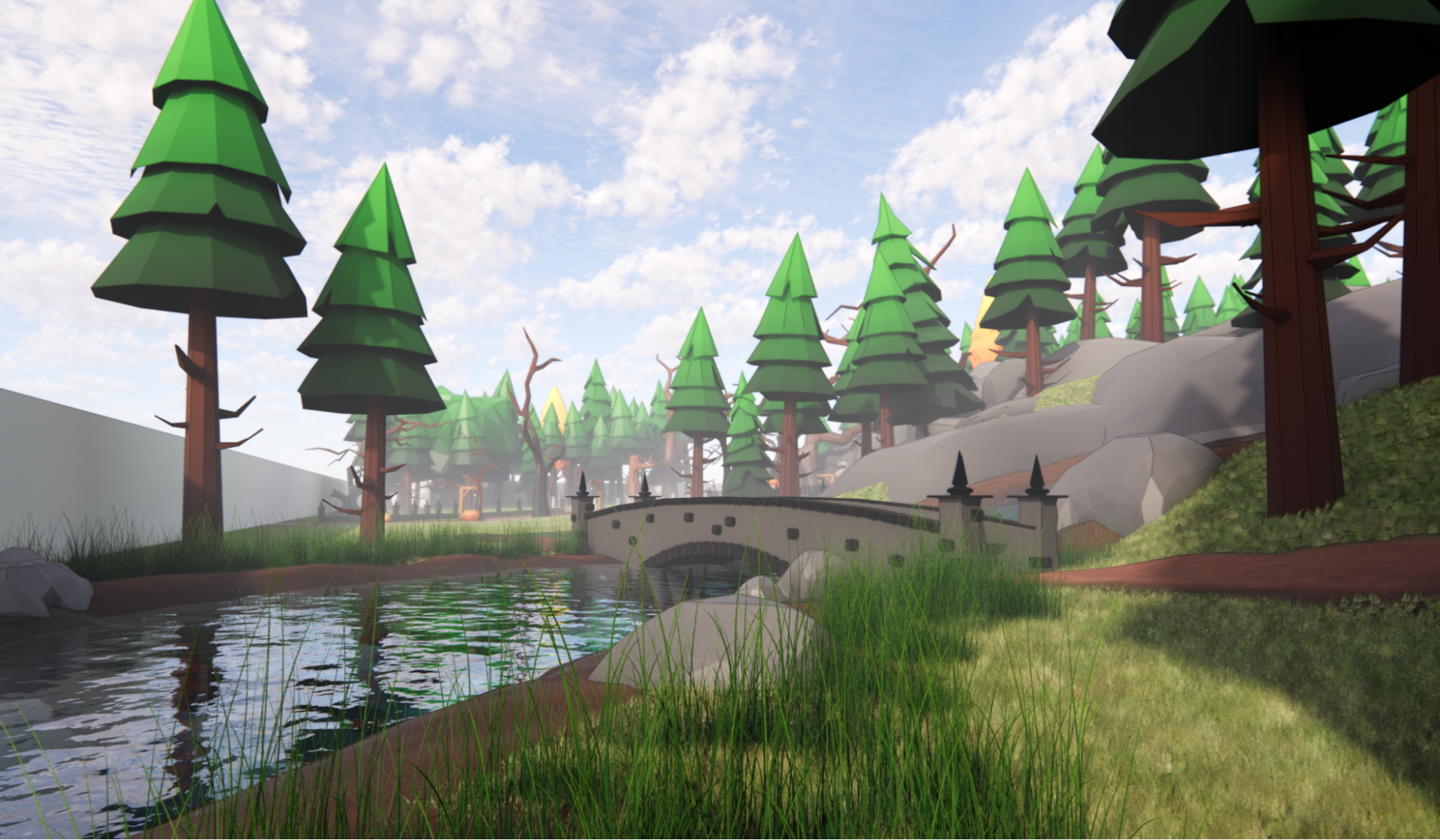
From Experiment to Workflow
What began as a playful experiment has evolved into a repeatable client-ready workflow that Read|Thomas and BIMKits now use to create rich, story-driven visualizations for projects ranging from landscapes and golf courses to immersive virtual experiences.
Our takeaway is simple: innovation happens at the edges of disciplines. By embracing curiosity, collaboration, and creative risk, the AEC industry can continue to evolve beyond static models into living, immersive storytelling experiences.